Expanding the Osteoarthritis Knee (OA) Knee brace category through
Motion-Based positioning and marketing campaigns
Challenge
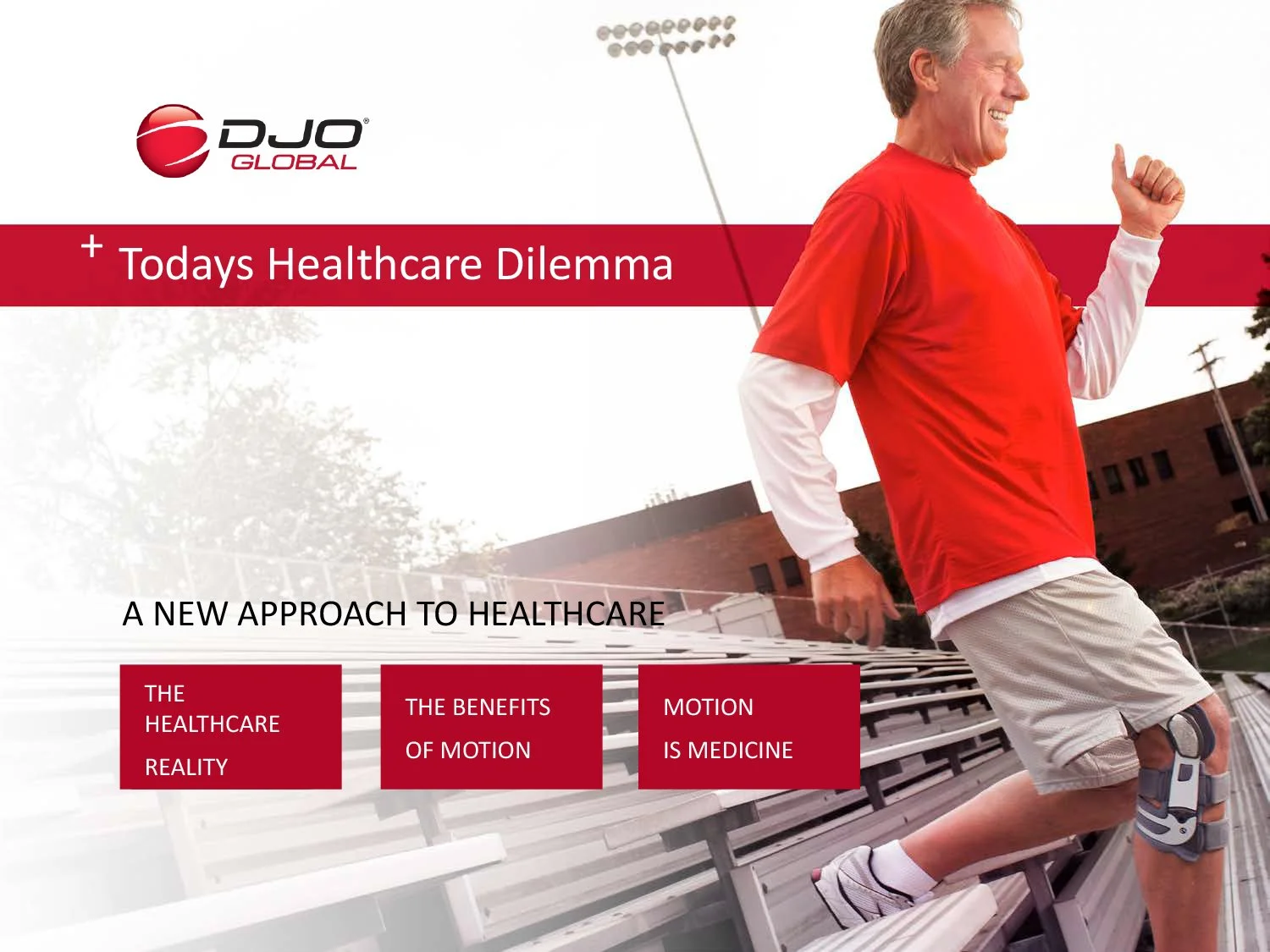
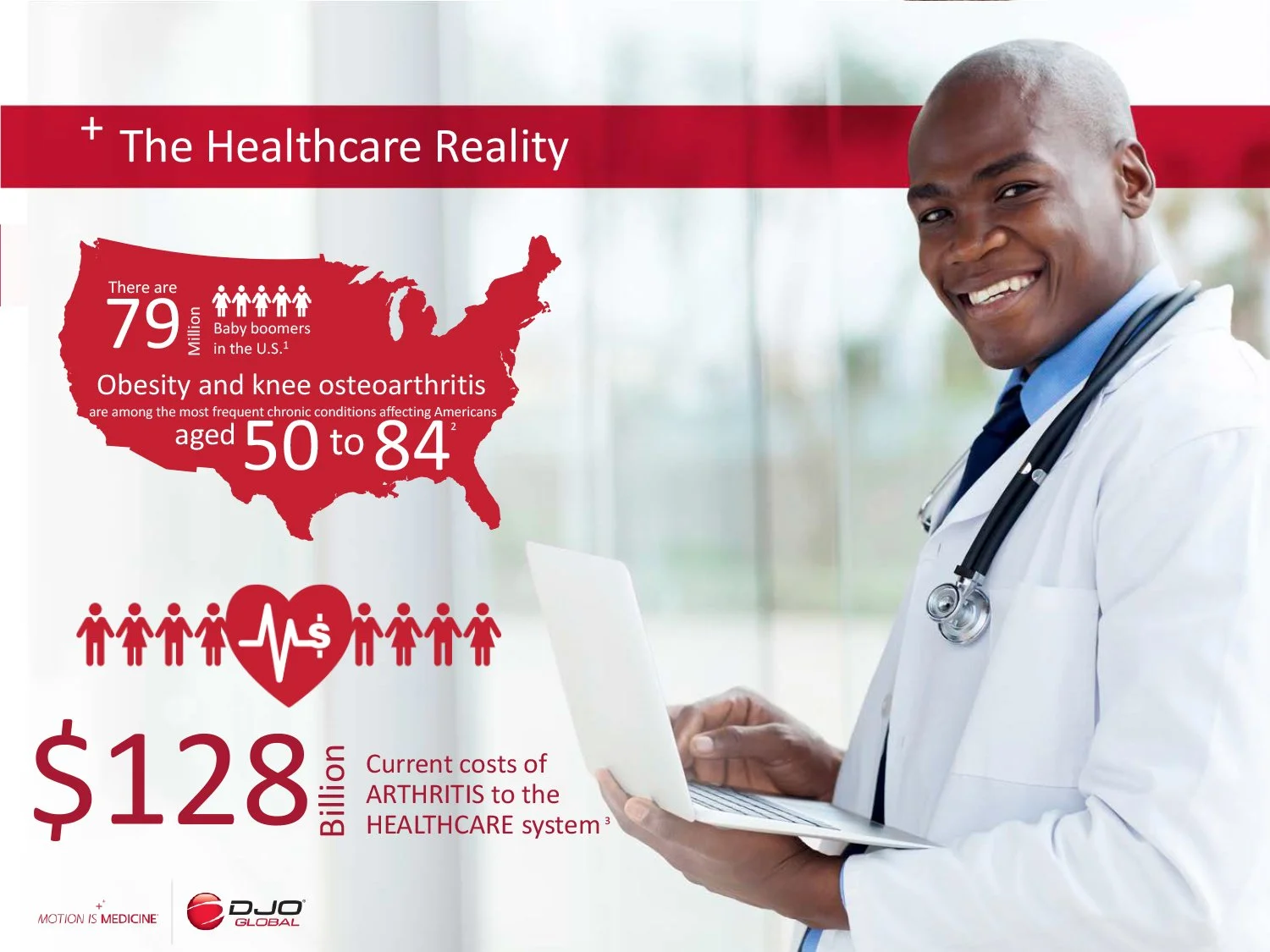
Osteoarthritis (OA) of the knee is among the fastest-growing and most debilitating chronic conditions worldwide. Onset can begin as early as the 40s, with a gradual decline in mobility and quality of life over decades. While total knee replacement remains the definitive treatment, many patients face years of pain and disability before reaching that stage. Clinicians often struggle to determine the optimal treatment pathway—balancing patient motivation, activity level, and long-term health economics.
Strategy
Through comprehensive market research, clinical literature analysis, and retrospective data review, we identified a clear unmet need: helping patients remain active and functional while delaying surgical intervention. Our team built a strategic framework combining two core principles:
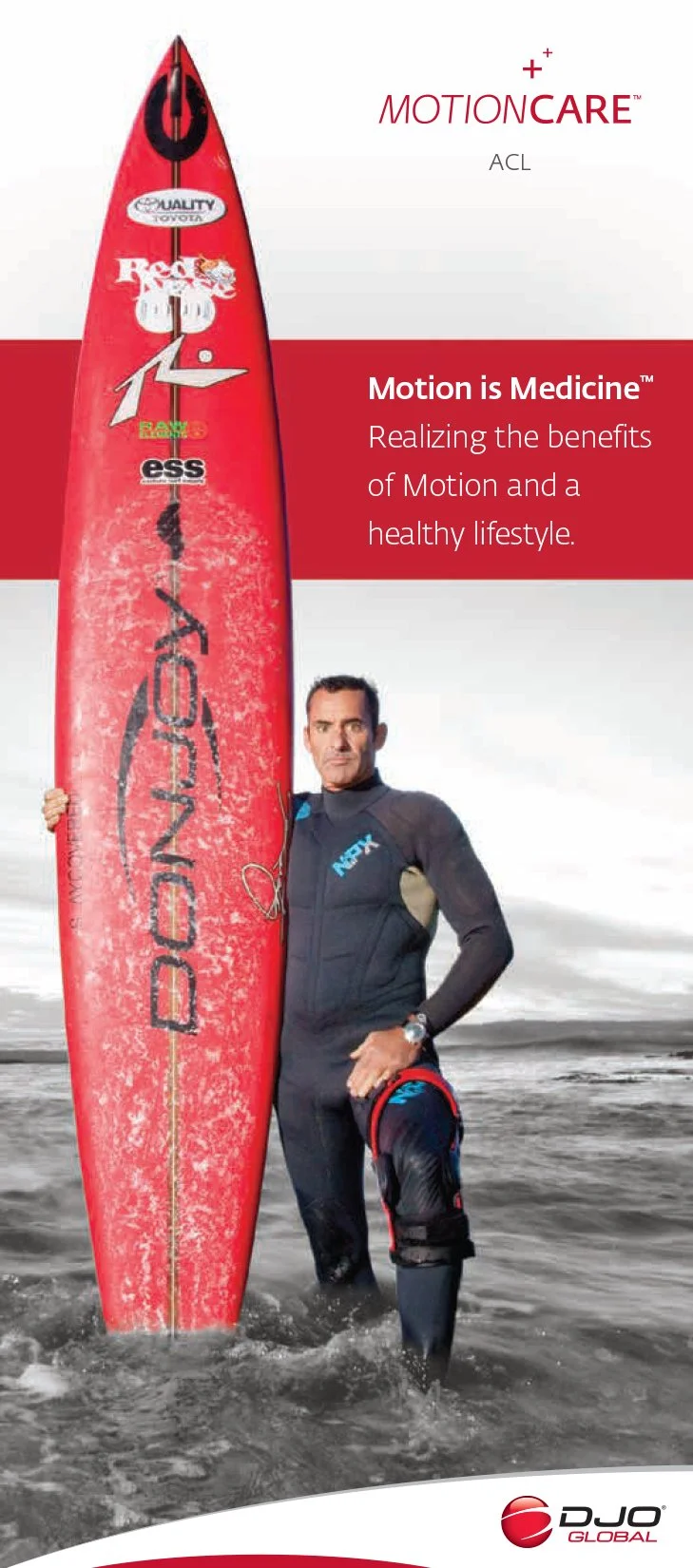
Motion is Medicine – Drawing on evidence from the American College of Sports Medicine and other sources, we reinforced that maintaining movement strengthens periarticular muscles, reduces pain, and supports joint health.
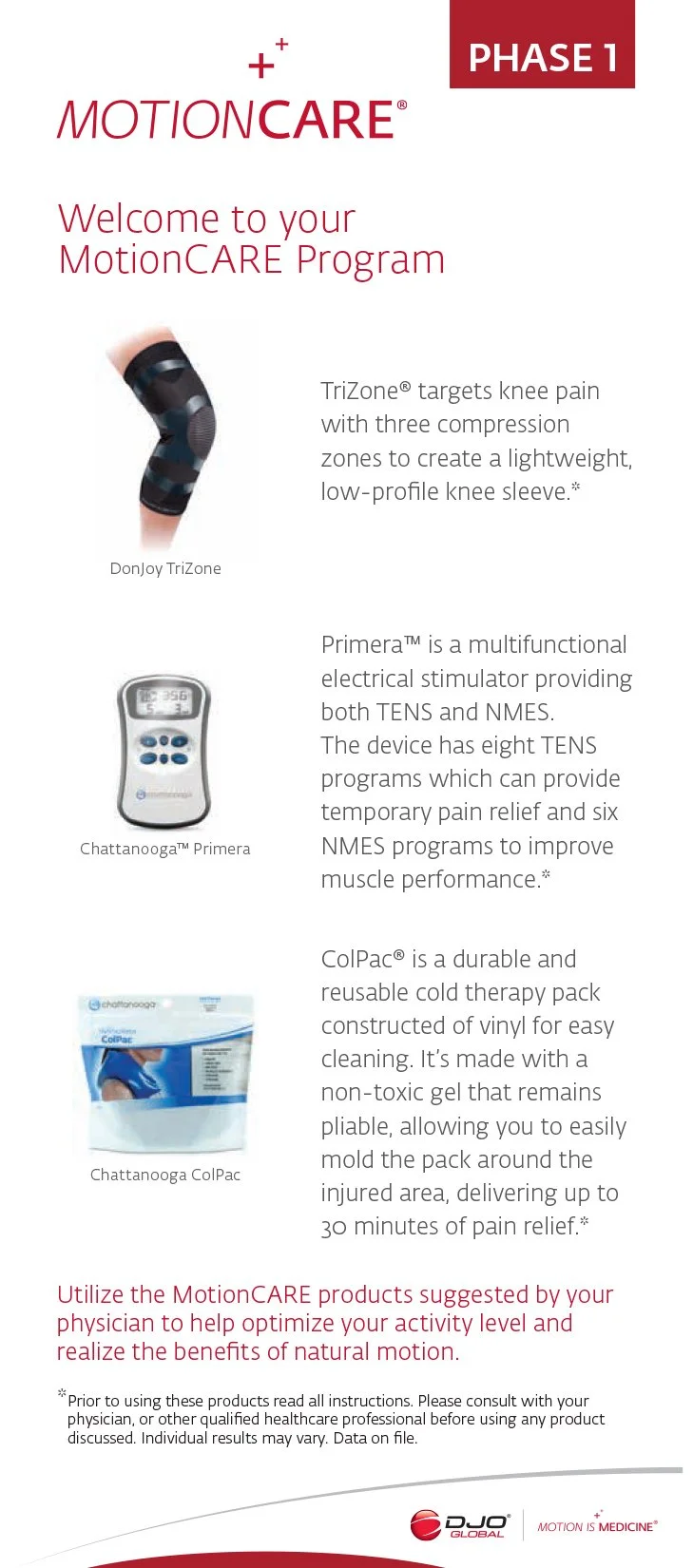
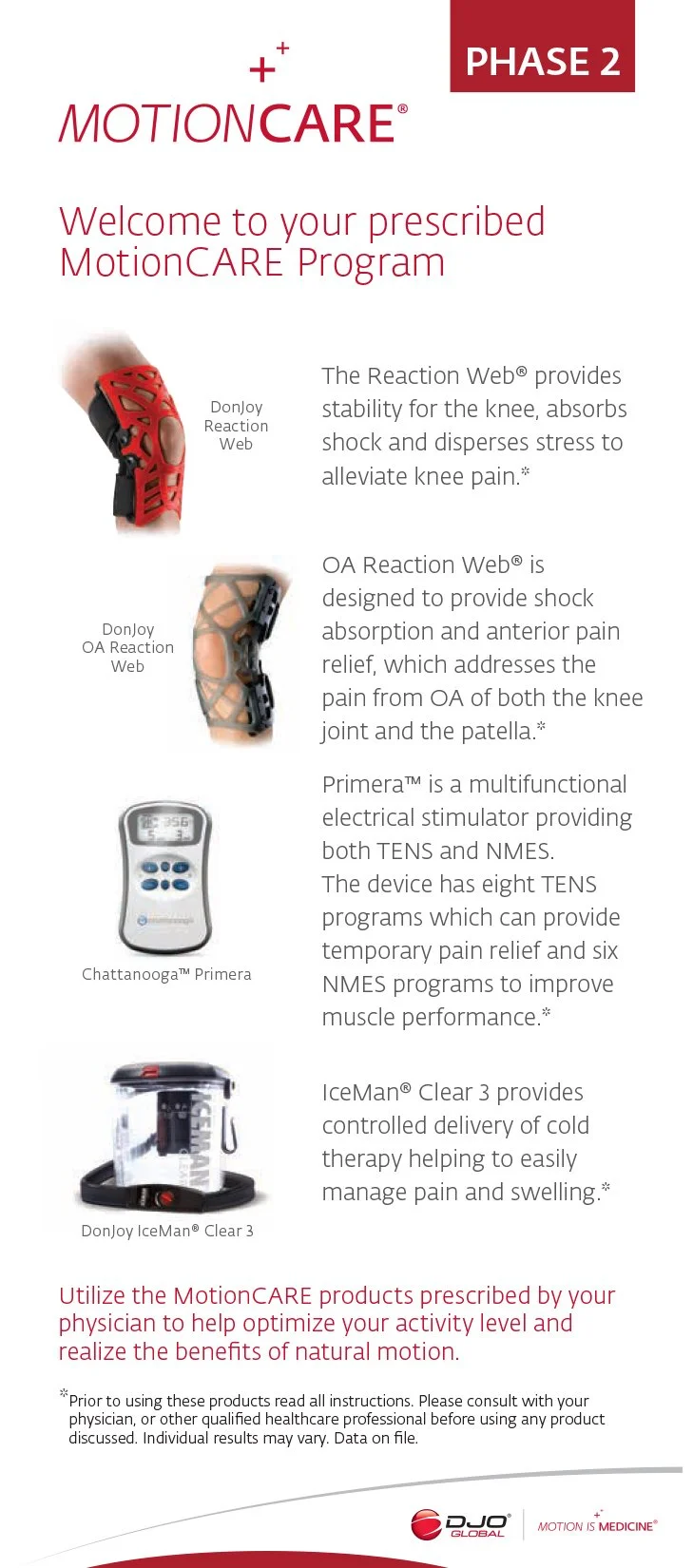
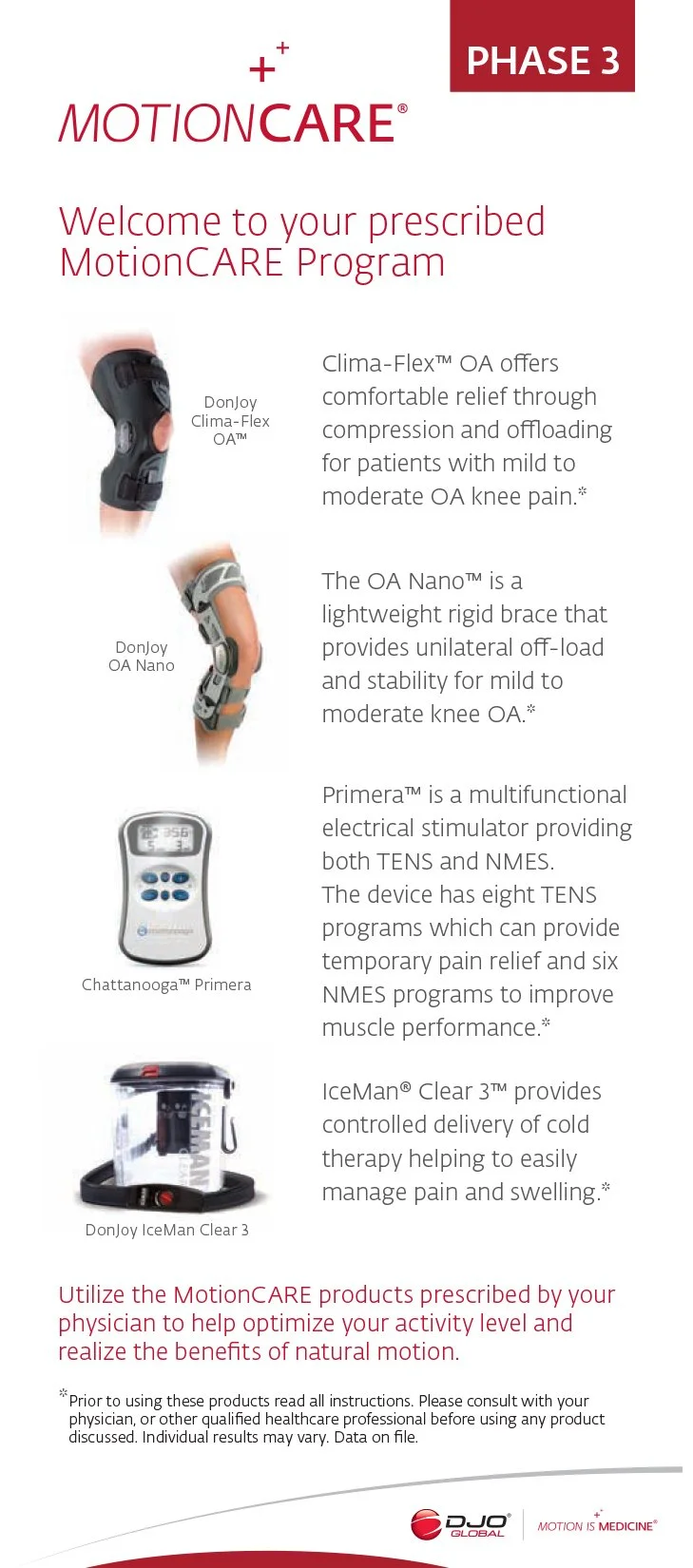
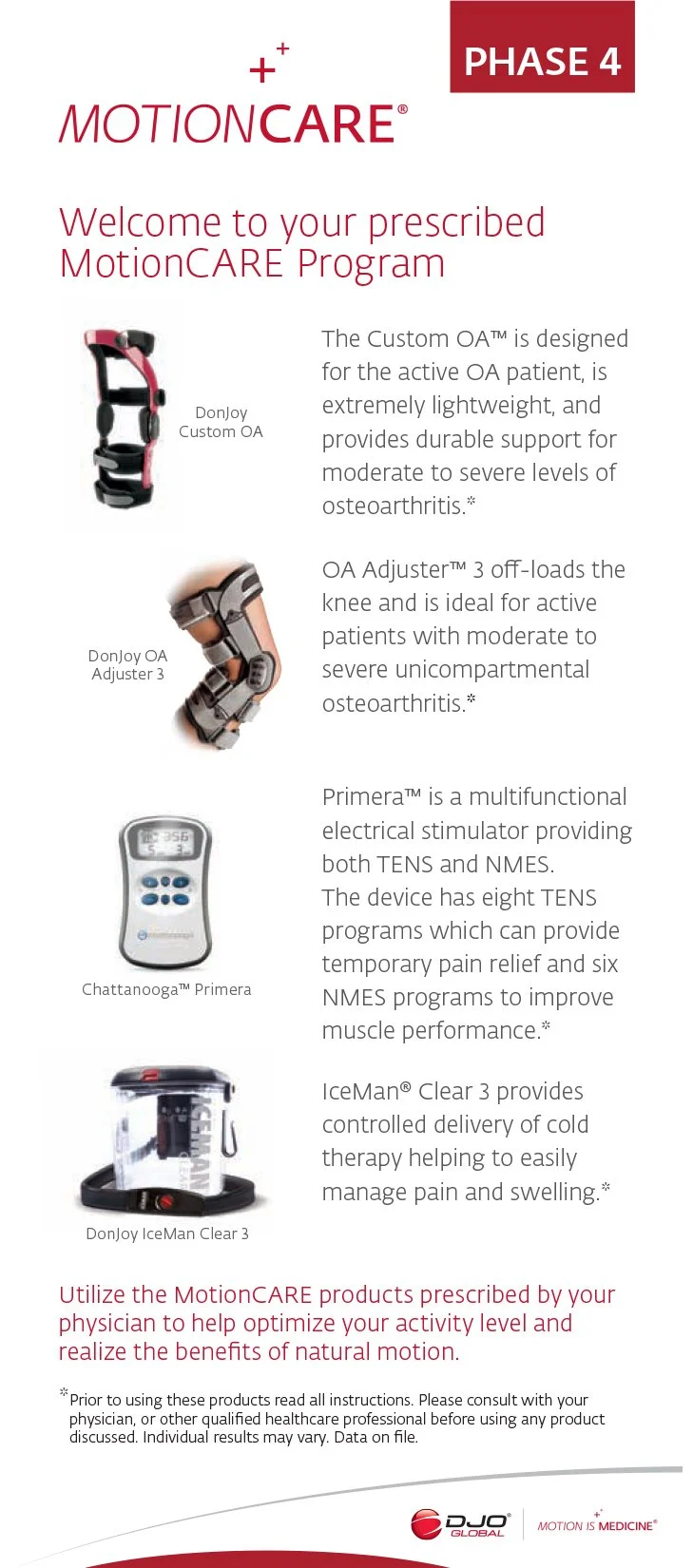
Ladder of Intervention – To help patients achieve motion despite pain, we developed a progressive bracing pathway and pipeline that addressed patient hesitation, improved compliance, and demonstrated measurable clinical efficacy.
We complemented these clinical insights with a data-driven narrative—educating healthcare providers on the economic burden of early OA disability and presenting a continuum-of-care model that emphasized prevention, mobility, and long-term cost savings.

Execution
Developed a pipeline of clinically validated OA bracing solutions tailored to different stages of disease progression.
Equipped the sales force with a strong evidence-based “talk track” centered on outcomes and health-economic value.
Redirected field engagement from orthopedic specialists to Primary Care and Sports Medicine physicians, where early OA is most often diagnosed and intervention can make the greatest impact.
Launched educational programs illustrating the role of early mechanical offloading in restoring motion and reducing pain.
Developed a comprehensive marketing campaign to shift the narrative from features and benefits to solutions that improve patient satisfaction.
Results
Expanded the OA knee brace category by 65% over six years, achieving a compound annual growth rate (CAGR) of 11%.
Shifted physician protocols toward earlier, conservative management—delaying surgical progression and improving patient quality of life.
Established a sustainable “motion-first” treatment paradigm that reduced economic burden and strengthened brand leadership in the OA category.
65%
Expanded OA category over six years
11%